The Leadership Move Your Team Wants You to Stop Doing
What if the leadership move that changes the culture for you isn’t about being louder, it’s about being later?
Most leaders lead first. First to talk. First to decide. First to act.
This newsletter is about a different move. Lead last.
If you lead a team, you feel pressure to perform on demand. You walk into a meeting, and people look at you like you owe them answers. You get paid to lead, so you feel like you must originate the idea.
I disagree.
Leading first creates compliance. It creates silence. It trains your team to wait on you. Leading last does something else. It forces you to learn. It forces you to listen. It forces you to lead humans, not roles.
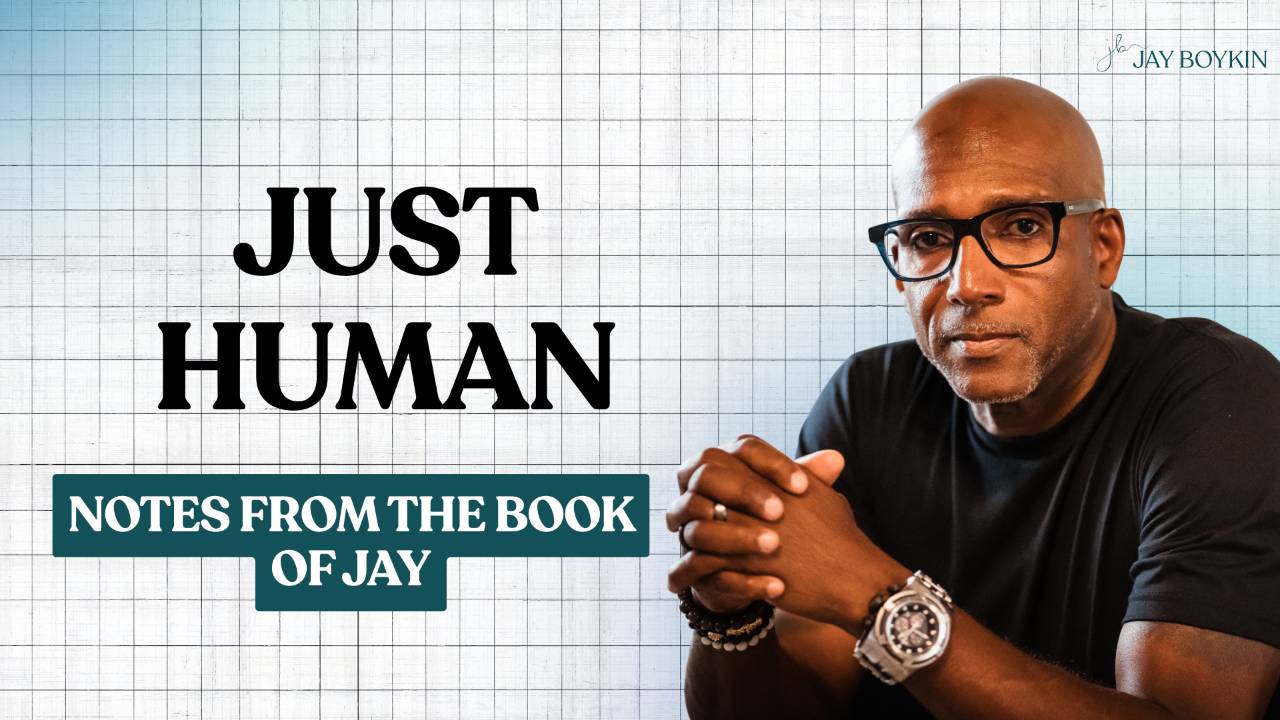
I sat down with U.S. Marine Corps Major Olaolu "Lu" Ogunyemi, author of Lead Last. His thesis hits hard because it sounds soft. It is not soft.
Here is the pattern he called out.
A new leader enters with a persona. The “drill instructor” voice. The high control posture. The leader who never shows doubt.
People mistake intensity for leadership.
Then teams shut down. Creativity drops. Trust drains. Leaders blame the team.
Lu’s path to leadership started in a place most corporate leaders never experience. He walked into his first command in charge of 80 people. His most senior person had nearly 20 years in. Five or six deployments. A veteran who had seen more than the new leader had lived.
So what did he learn first?
Humility.
Not fake humility. Not “I value everyone’s input” humility. Real humility. The kind where you stop trying to prove you belong, and you start learning how the team works.
If you lead a team of experts, you do not win by pretending you know more than they do. You win by creating an environment where they bring you the truth.
Here is where leaders lose credibility fast.
They take a title and treat it like a shield.
They assume being the leader means they should speak first.
They assume speed equals strength.
Lu called out a truth leaders hate. Your team will keep giving you the safe answer if you reward speed over truth.
You see it in meetings.
You ask for input. People nod. Two people talk. Everyone else watches.
You leave thinking you got alignment. You got compliance.
Lu has a counterintuitive principle that will irritate many leaders.
The closed-door policy.
He is not telling you to hide. He is calling out how the open-door policy fails.
A few bold people use it. A few insiders shape the narrative. Most people never walk through. You think you are open. You are not getting the whole picture.
So what should you do instead?
Lead last.
Start with three questions before you speak.
Who am I in this moment?
Who am I leading?
What environment am I creating?
Lu builds his book around those three parts. Know yourself. Know your people. Understand the environment.
Leaders often skip the first one. Then they act surprised when teams stop trusting them.
Self-awareness sounds like a personal development topic. It is a leadership topic. Lu said leaders do things all day and cannot trace why they do them. That includes decisions, reactions, tone, and habits.
If you cannot name your insecurities, they will run your leadership.
If you cannot name your patterns, your team will learn them before you do.
Then he hit the trust point.
Trust works like an emotional bank account.
Every interaction becomes a deposit or a withdrawal.
Many leaders drain accounts without noticing.
The top withdrawal.
Not listening.
You do not need to be rude to fail at listening.
You can do it with a polite face and a fast answer.
You can do it by interrupting.
You can do it by acting like you have already decided.
When you do, people adapt.
Some shut down.
Some get competitive.
Some get reckless.
Some stop following your lead.
Then the conversation moved to a place most leadership content avoids.
Emotions.
Lu did not argue for emotional chaos. He argued for emotional control.
Leaders need presence. They also need steadiness.
You cannot walk around slumped and expect your team to be confident.
But you also cannot act disconnected and call it leadership.
He learned this at home first.
He tried to bring the stoic work posture into family life.
His family read it as a lack of caring.
That lesson changed how he led at work.
This part matters if you lead people under stress.
Your team feels the gap between your words and your emotional signal.
You do not need to share everything. You do need to signal that you see them.
Lu gave one example I will not forget.
He walks into a room, and his son straightens up. Tries to look tough.
So Lu asks a hard question.
What am I doing that makes him hide?
Or is he doing it because he wants to look strong for me?
That is self-awareness in real time.
That is lead last leadership.
You do not start with control. You start with observation.
If you want a practical place to start, take this into your next meeting.
-
Do not speak first.
-
Ask two people who never talk to share what they see.
-
Repeat back what you heard before you respond.
-
Decide once you have collected the full room.
Your team does not need your speed.
They need your clarity.
They need your listening.
They need your steadiness.
Key takeaways
-
Leading first trains your team to wait on you
-
Trust drops fastest when you stop listening
-
Self-awareness is the first leadership skill, not a bonus
Here is the tension point.
Most leaders think “lead last” means slow leadership.
Lu makes a different claim. Lead last produces faster teams by stopping you from becoming the bottleneck.
The full conversation goes deeper into the closed-door policy, emotional control, and why new managers fail when companies promote high performers without training them.
Watch the full video if you want the part where he explains how to build leaders who build leaders.
Watch the full video: YOUTUBE LINK
Responses