The Leadership Problem Nobody Names
“Your leadership is not defined by what you do on your best day.”
Self-awareness under pressure decides how people experience you at work. It also decides if people tell you the truth.
Here is the part most leaders miss. When stress hits, you move fast. You go automatic. You call it “getting results.” Your team calls it something else.
You might say high standards. Your team hears criticism.
You might say moving fast. Your team feels chaos.
You might say being direct. Your team feels dismissed.
Then a quiet shift happens. People stop telling you the truth. People bring you less bad news. People manage you.
Leaders blame culture. Leaders blame work ethic. Leaders blame “this generation.”
I blame self-awareness.
If your team edits themselves around you, start here.
Pressure reveals patterns. Stress shows how you lead when you feel rushed, challenged, or cornered. Many leaders build their skills on calm days, then lose them on hard days. Your team does not judge you on calm days.
Self-awareness sounds like a soft word, but it is not. It is a decision skill.
I use a simple definition. Self-awareness means noticing what goes on inside you as it happens. You notice thoughts. You notice emotions. You notice body signals. You notice how those signals shape your next move.
Most leaders focus on self-awareness late. They review things after a blow-up. They tell themselves, “Next time I will do better.” Then the next hard moment hits, and the same pattern shows up.
Most leaders do not fail from bad intent, but they do fail from blind spots.
Here are three blind spots I see often.
-
You miss the escalation.
You feel normal. People around you feel tension. Escalation does not need yelling. It shows up in pace, tone, and impatience. It shows up when you stop asking questions and start making statements. It shows up when you treat every comment like resistance. -
You miss your triggers.
A trigger is not a weakness. A trigger is a signal. It points to what matters to you. Control. Respect. Competence. Safety. Under stress, you attach meaning to things. Someone asks a question, and you hear, “They do not trust me.” Someone misses a deadline, and you think, “I cannot rely on anyone.” Someone disagrees, and you tell yourself, “I am losing authority.” -
You excuse patterns.
You say, “I am intense.” You say, “I am direct.” You say, “If I do not push, nothing moves.” Yes, results matter. Standards matter. Yet excuses freeze growth. Growth starts when you replace excuses with better questions.
The good news is you do not need a new personality. You just need a repeatable move.
Start with one shift: stop trying to manage other people, and start managing your own state.
Here is a fast test you can run today. No worksheets. No long reflection.
Question 1: What do people experience when you are under pressure?
Do they get clarity or confusion? Do they get steadiness or mood swings? Do they get questions or commands?
Question 2: What do you protect when you react?
Do you protect speed? Do you protect control? Do you protect your image? Do you protect being right?
If you want a simple tool, write one line and keep it visible.
When I feel ______, I tend to ______.
Examples you can borrow:
When I feel rushed, I tend to control.
When I feel ignored, I tend to get sharp.
When I feel challenged, I tend to shut people down.
One line turns a blind spot into a pattern you can spot.
Now add one more move. Build a short list of your early warning signs.
Pick signs that people can observe.
You talk faster.
You interrupt more.
You tighten your shoulders.
You stop listening and jump into solving.
You get blunt.
Then ask one person you trust a direct question. When I feel stressed, what do you notice about me? Don't ask a group. Don't make it dramatic. Ask one person. Listen. Write it down. Use it.
Use this plan for seven days.
Day 1: Write your one line.
Day 2: List three warning signs.
Day 3: Ask one trusted person for feedback.
Days 4 to 7: Spot the one sign in real time, then slow your next move.
Here is what you should watch for. Your team will bring you problems earlier because they are not afraid of your reaction. Your tone will stay steady more often. You will feel less regret after hard moments.
One more opinion before I go.
Your team can handle high expectations. Your team cannot handle unpredictability.
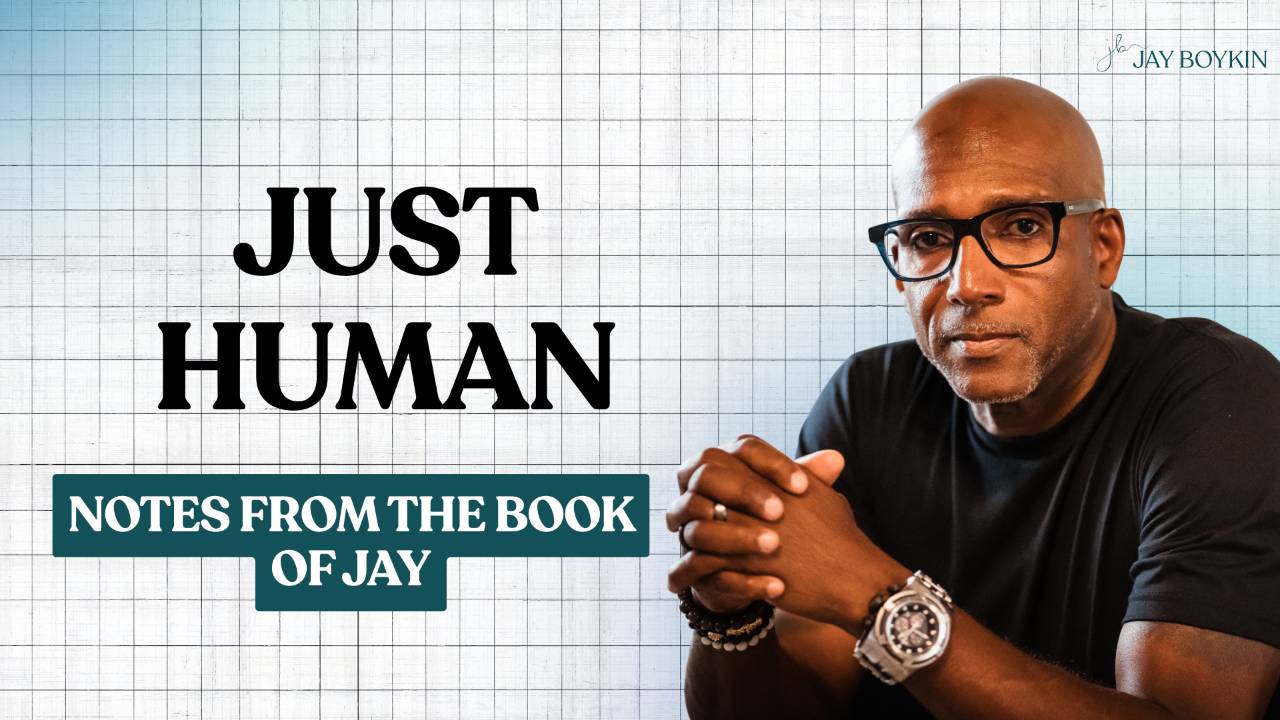
If you want the full tool I use for real-time pressure, check out the full podcast episode. I walk through a five-part framework and show how it works in meetings, email, and conflict. I also share a weekly five-minute check-in I use to build the habit.
Watch the full video.
Looking for a dynamic speaker? Let's talk!: BOOKING LINK
Responses